


Going In
I've never been more intimidated going into a first watch than I was with Seven Samurai.
I bought the Criterion Collection's 4K restoration of Seven Samurai a long time ago, but kept putting it off. Partly because of the epic runtime, but also because of the "greatest of all time" reputation that film and Akira Kurosawa carry.
I've only seen two films by Kurosawa (Rashomon, Stray Dog), and I liked them, but neither really helped me understand this reputation, as far as Kurosawa himself. Not because I have such a deep grasp of film history/craft that "I've seen better", and with full consideration of the "I've seen this already" phenomenon, via the many imitations and homages that came after (at least in the case of Rashomon). I just couldn't see what everyone else was seeing. And that's okay; art is subjective, different strokes, etc.
So coming into this, my expectations were sky-high. I had just watched Kiyoshi Kurosawa's The Samurai and the Prisoner a couple of days before, which got me excited to dip my toes back into jidaigeki cinema, and figured it was time to finally give Seven Samurai a chance, and see if maybe this time, I'd get it.
 Dennis Ramirez
Review
No two ways about it: this movie fucking rocks.
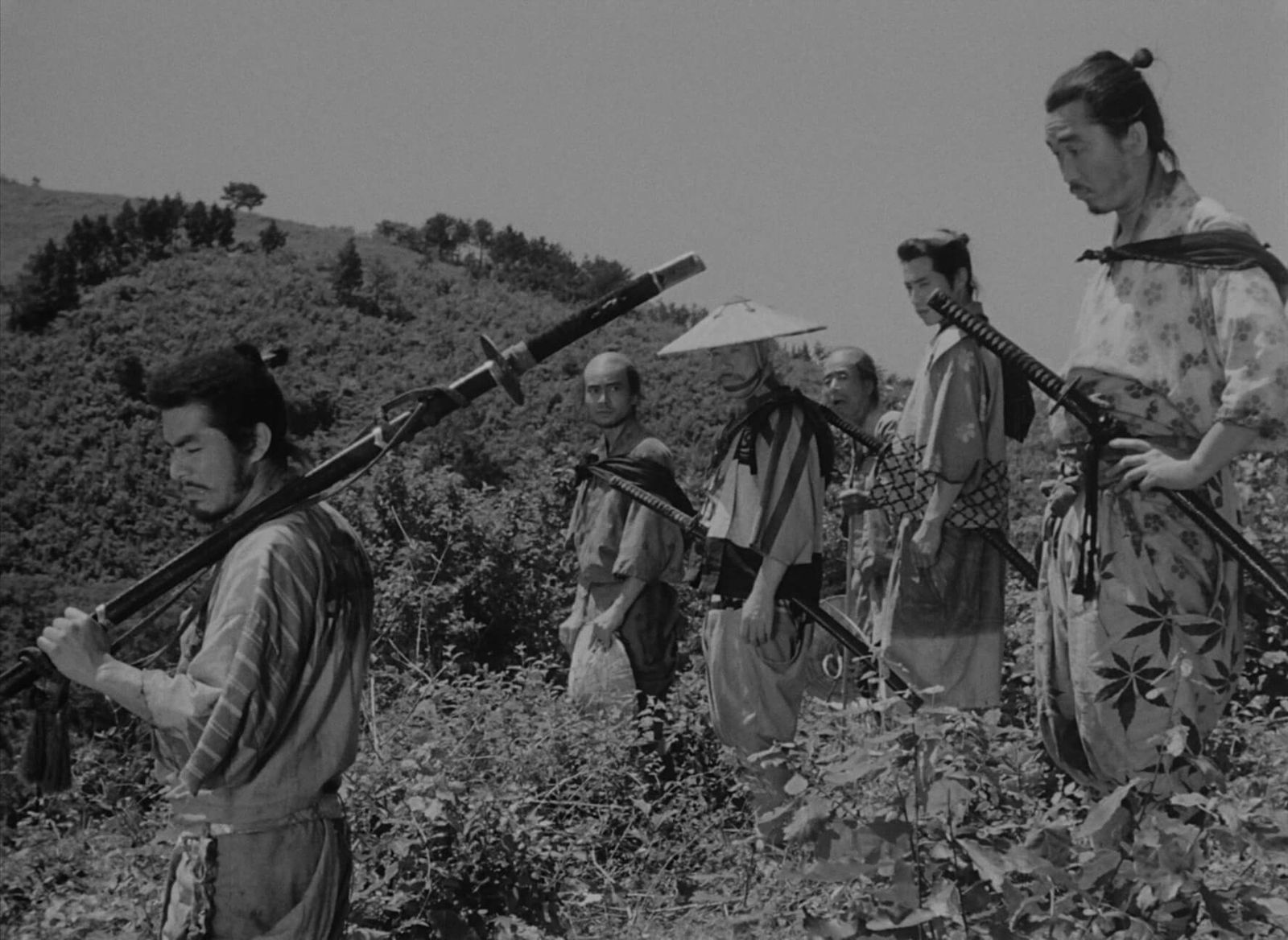
A small village is under the threat of raids from bandits, so they seek to trade what little they have to hire some samurai to protect the town. Seven of them answer the call, and what follows is one of the most thrilling and ultimately quite moving adventures I've watched.
Every one of its 207 minutes felt consequential and important, each one adding texture, vibrancy, and life to this world. I mentioned the "I've seen this before" phenomenon earlier, and while that is still true here, I have to say I've definitely not seen it done like this before. I was riveted throughout, completely at the mercy of the direction, the gorgeous cinematography, the writing, and just the sheer craft of it all.
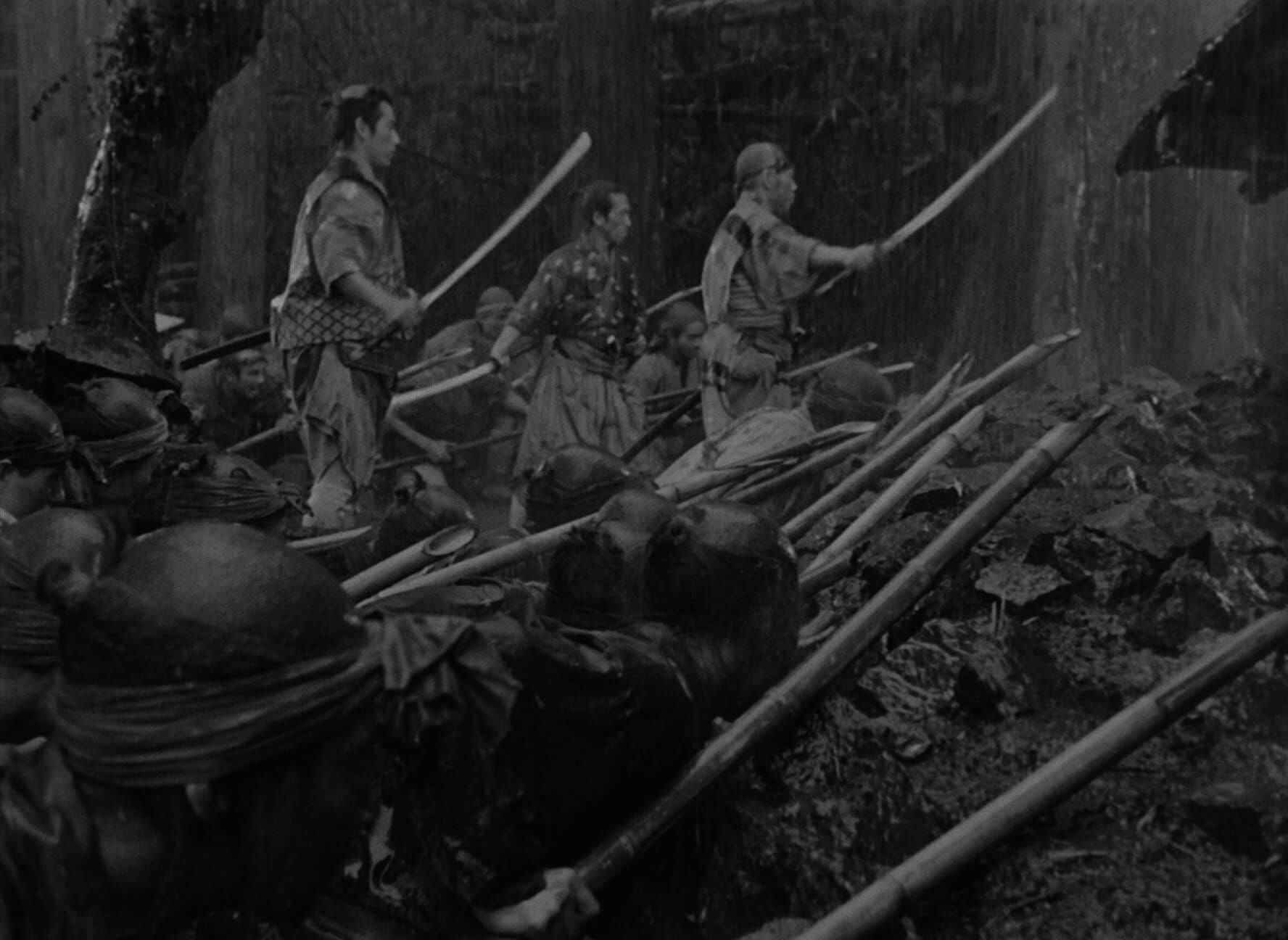
The action scenes made me think of my reaction to watching William Friedkin's Sorcerer for the first time, in that I don't know if you can convince me people didn't actually die making this. In all the chaos of people, horses, and mud during the long-awaited climactic battle, I never felt confused about where we were or who was trying to accomplish what. 3 hours of relationship building and character work (wrapped in anxious anticipation of the bandits' inevitable attack) also kept me emotionally invested in who was trying to accomplish what. Many, many tears were shed by the end of it all.
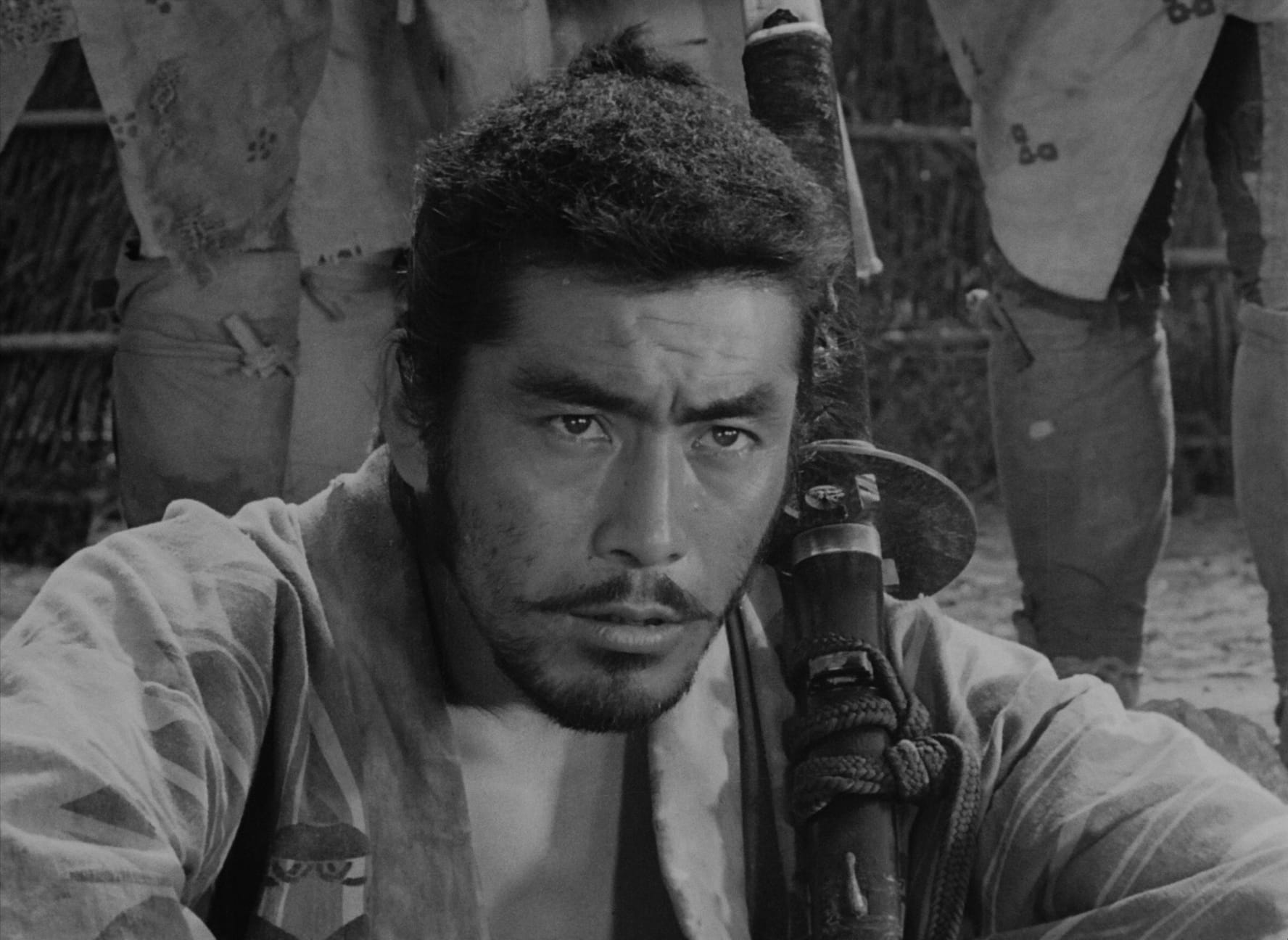
And that's because the characters are so richly drawn and complex in script and performance that even those with only a few lines felt like fully formed people to me. I can definitely see how they've become archetypal for all the "we've got to put a team together" movies that came after. The patience with how the story reveals character had me constantly questioning motivations or reevaluating characters from scene to scene. The character that most exemplifies this complexity to me was Kikuchiyo (Toshirō Mifune), and he (actor and character) was ultimately the linchpin of the whole thing for me. Much more on him later.
I was also surprised by how funny this was. I had only heard about the spectacle and drama before, so that was a very welcome surprise which definitely helped carry me through the runtime.
There is so much to say about this beautiful film that has likely already been said in countless other essays and reviews. For myself, ultimately I just want to say that I finally get it. This is one of the best films I've ever seen, and it fully deserves all the praise and more. I can't wait to both revisit and further explore more of Kurosawa's films. Carve out the time and bless yourself with this, if you haven't already.
The Afterimage
An Ode to Kikuchiyo
Spoiler Warning
At the end of the climactic battle, it seems our seven samurai and the empowered villagers have gotten things under control. Almost all the bandits are dead or have fled, and our boys prepare to make their final sweep. Unbeknownst to them, two bandits have managed to hide in the shelter where the women have been hiding, wielding a musket.
A shot rings out, and Kyuzo, one of the samurai, falls. He tries to get back up, but is mortally wounded and collapses into the mud. Katsushirō, the youngest samurai, begins to run towards where the shot came from, but Kikuchiyo throws him to the side and decides to avenge Kyuzo himself. He reaches the window of the hut when another shot rings out, and he falls. As if in response, I rose off my couch and immediately yelled, "Fuck! Fuck you!", quickly followed by more "fuck"s and a few "you better kill him"s until Kikuchiyo finally manages to kill the bandit, and then collapses himself and dies.
I had a moment of lucidity and realized I couldn't remember the last time I was so invested in a character that I began yelling at my TV, but that moment was quickly washed away by the tears as I wept over the man who was born a farmer and died a hero, buried with the other fallen samurai at the end of the movie.
The character of Kikuchiyo is as perfect an alchemy of performance, directing, and writing as I've ever seen. He has so many layers, carefully peeled away throughout the film.
He's insolent and rude one moment, then jovial and friendly the next (particularly around kids). He relentlessly torments poor Yohei, one of the villagers, but when Yohei is killed during one of the bandit attacks, Kikuchiyo is beside himself with grief. He's quick to call the villagers out for not properly welcoming the samurai who came to help, but also seems to genuinely relish teaching them how to fight and defend themselves.
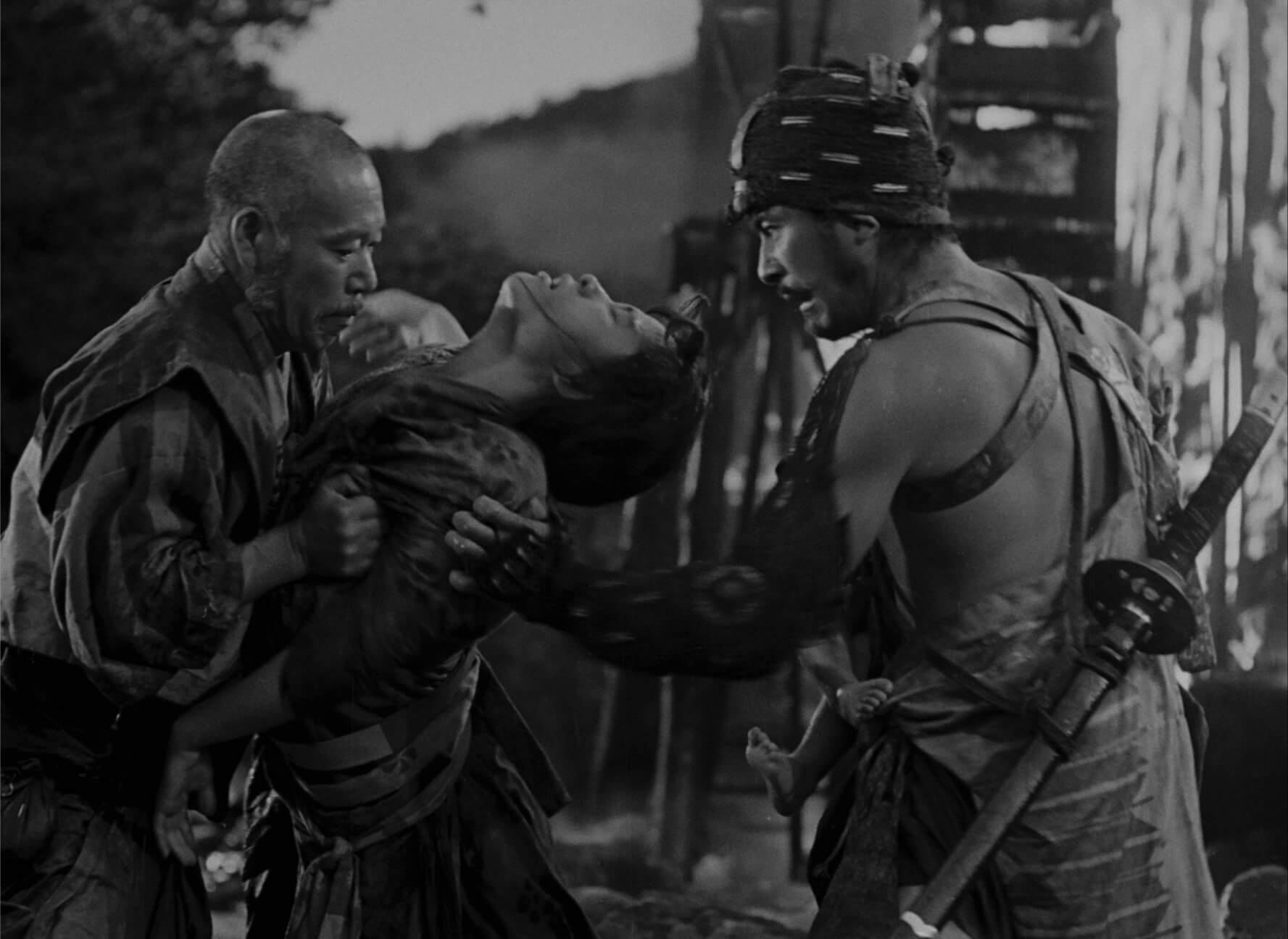
What fascinates me most is his simultaneous reverence and resentment of the samurai. He's so eager to join them at the beginning, but when one casually mentions killing the villagers when it's discovered they've been hoarding armor from other fallen samurai, Kikuchiyo lashes out in anguish. He points out that while the villagers may be conniving and dishonest, it's only in response to the cruelties and horrors samurai inflicted upon them during war. He knows this because he was born a farmer himself, underscored by a later scene where he cradles a baby whose mother just died, screaming, "This is what happened to me!"
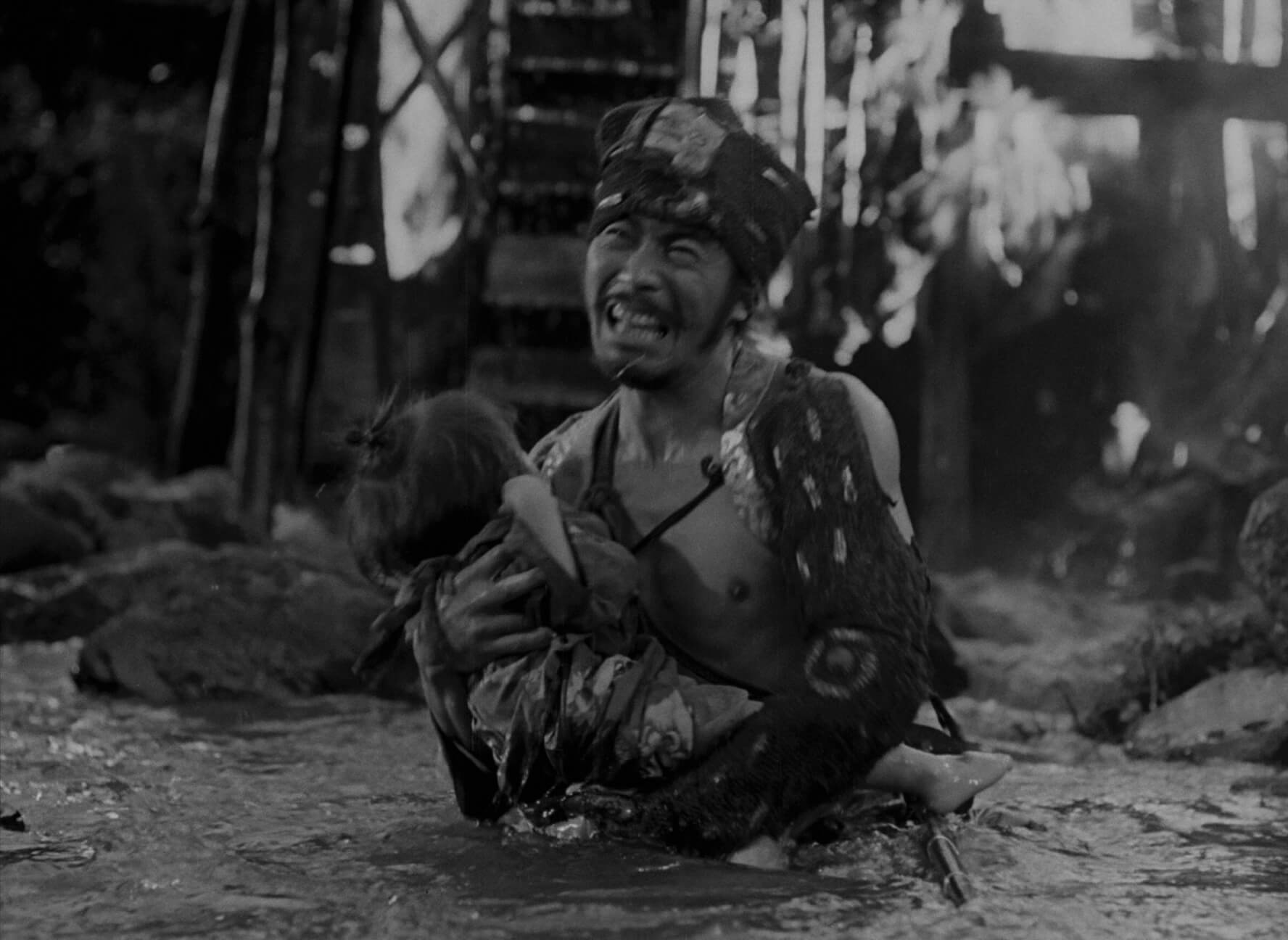
This complicates that original eagerness in a way that feels like a magic trick. I was already enjoying the movie, but this was the moment of transcendence for me, where I started to think, "OK, I think I'm watching a masterpiece."
All of this is so brilliantly conveyed by Toshirō Mifune's performance. He effortlessly embodies all of Kikuchiyo's empathy, goofiness, and pain. While trying to figure out what I wanted to write about the character, I was skipping through the Blu-ray to remind myself of scene specifics, and each glimpse of him alternating between levity and drama kept threatening to pull me back into another 3.5-hour watch.
I could keep rambling about how much I love Kikuchiyo, but if I do, I'll never wrap up this review. This character was just such a revelation to me, truly a "where have you been all my life" kind of experience. I'm so happy I finally watched this Seven Samurai, and so grateful to it for introducing me to who is now one of my favorite movie characters of all time.
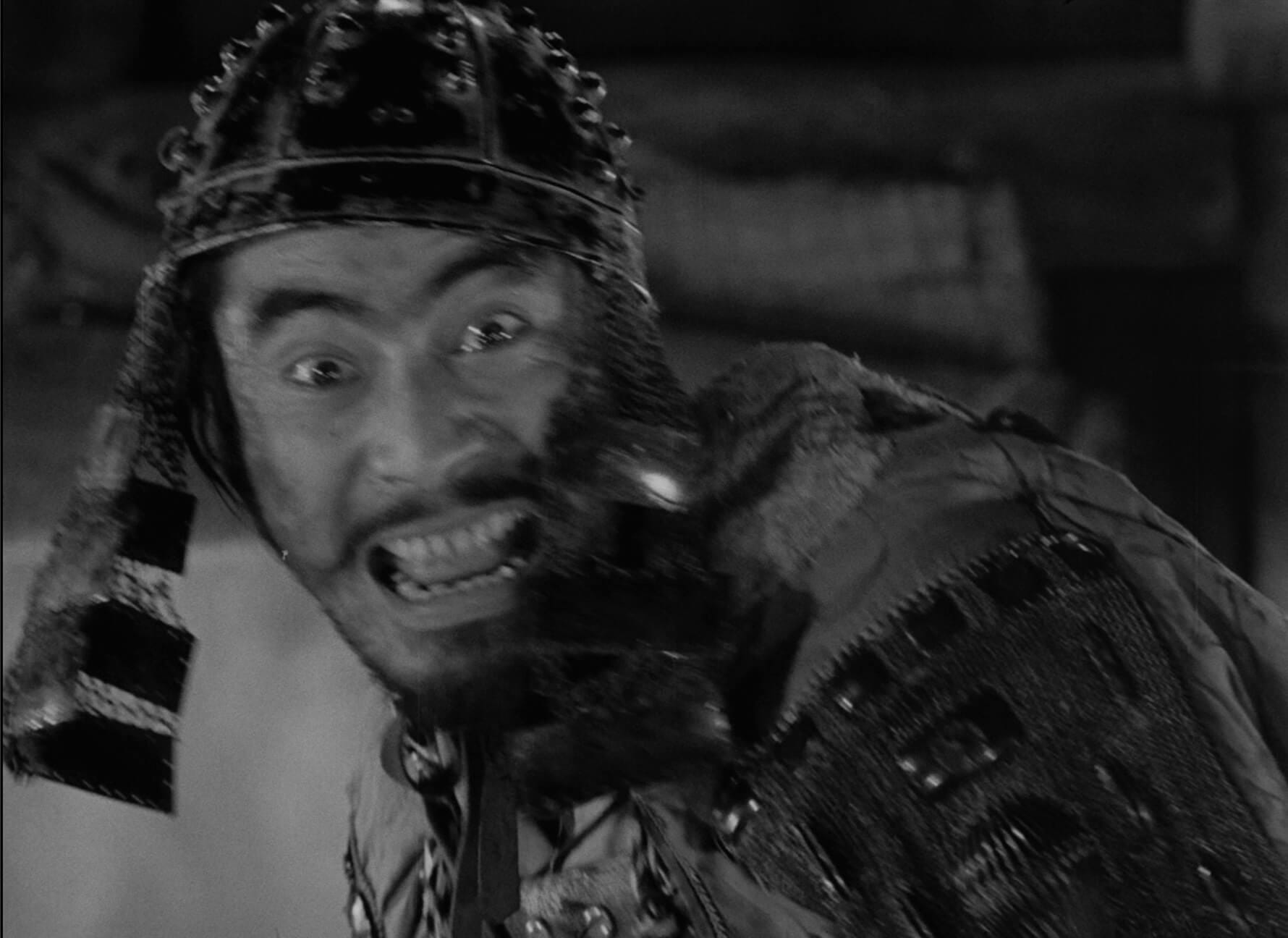
You had the nerve to ask me if I was a samurai. Didn't you? I never forget a face. Look, I'm a real samurai, all right.
Yeah, you are, my man. Absolutely.
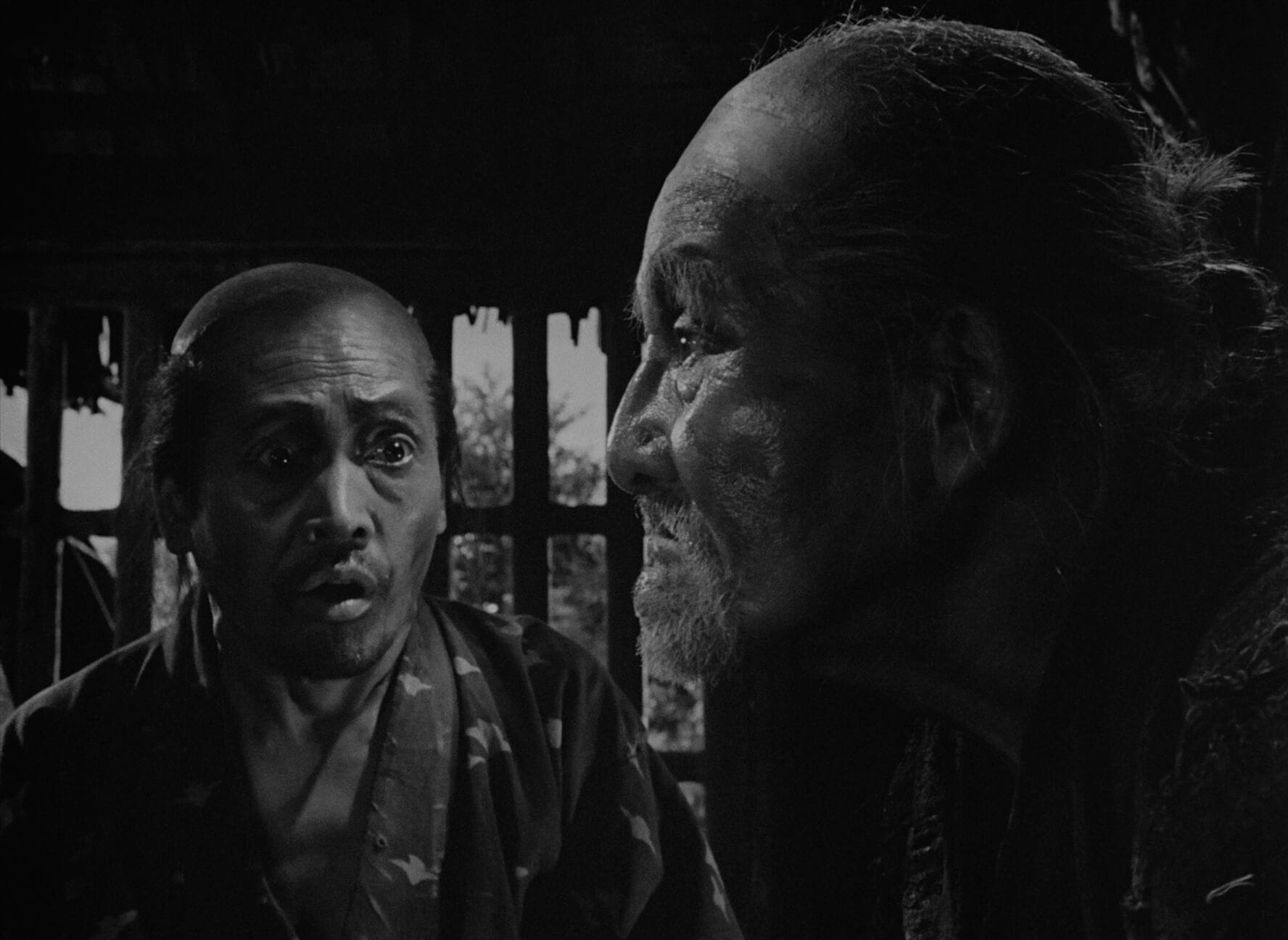
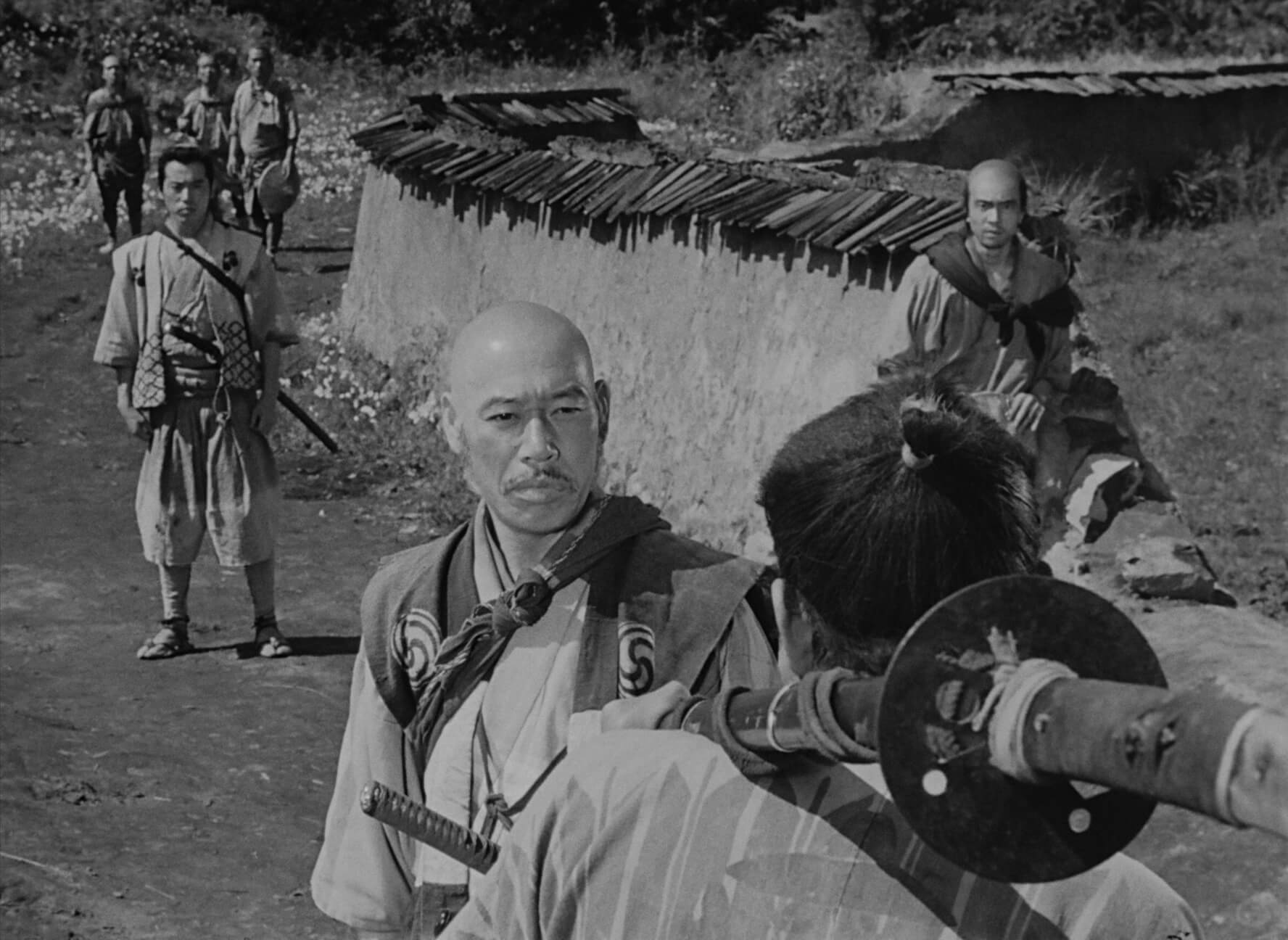
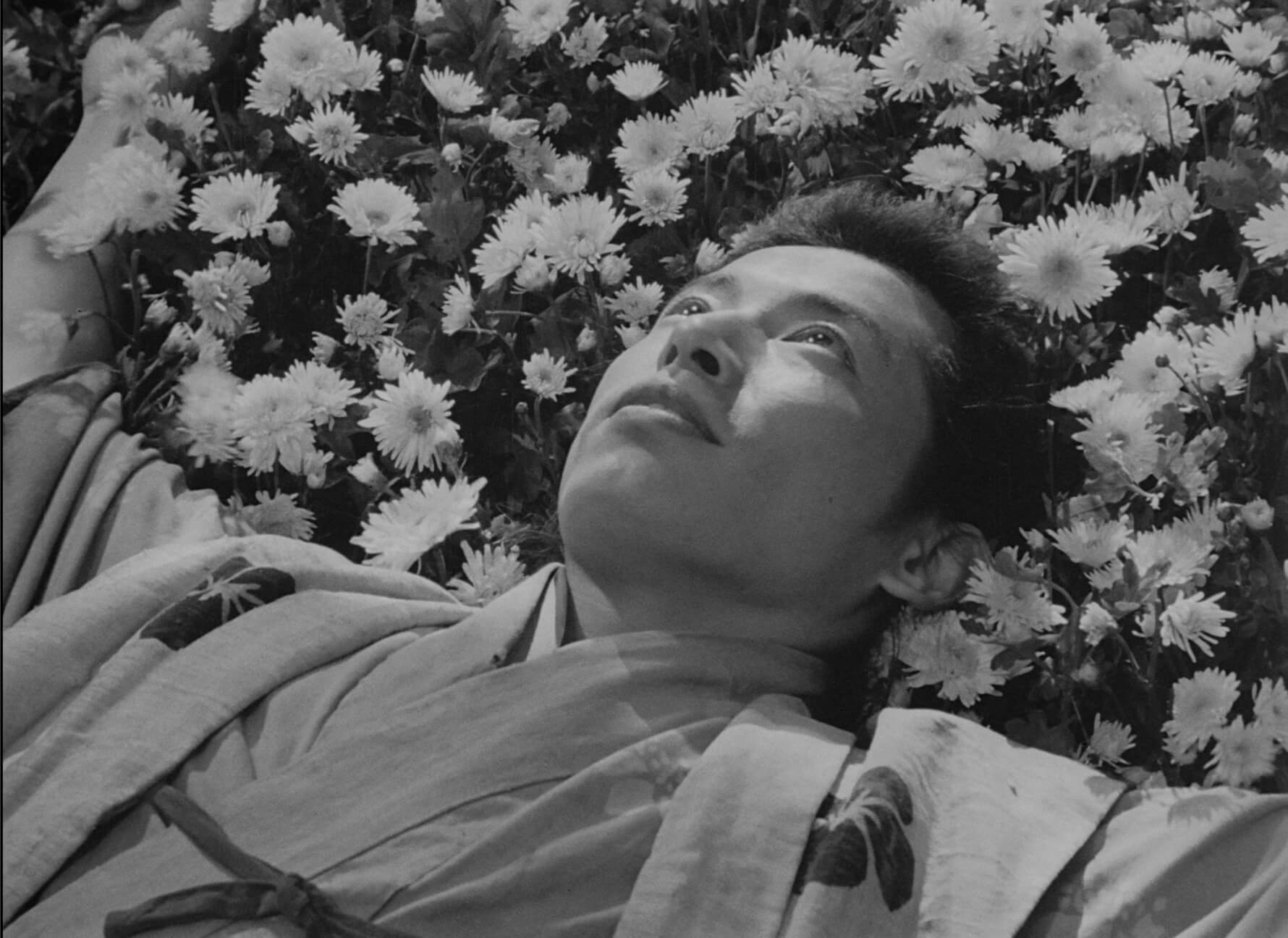
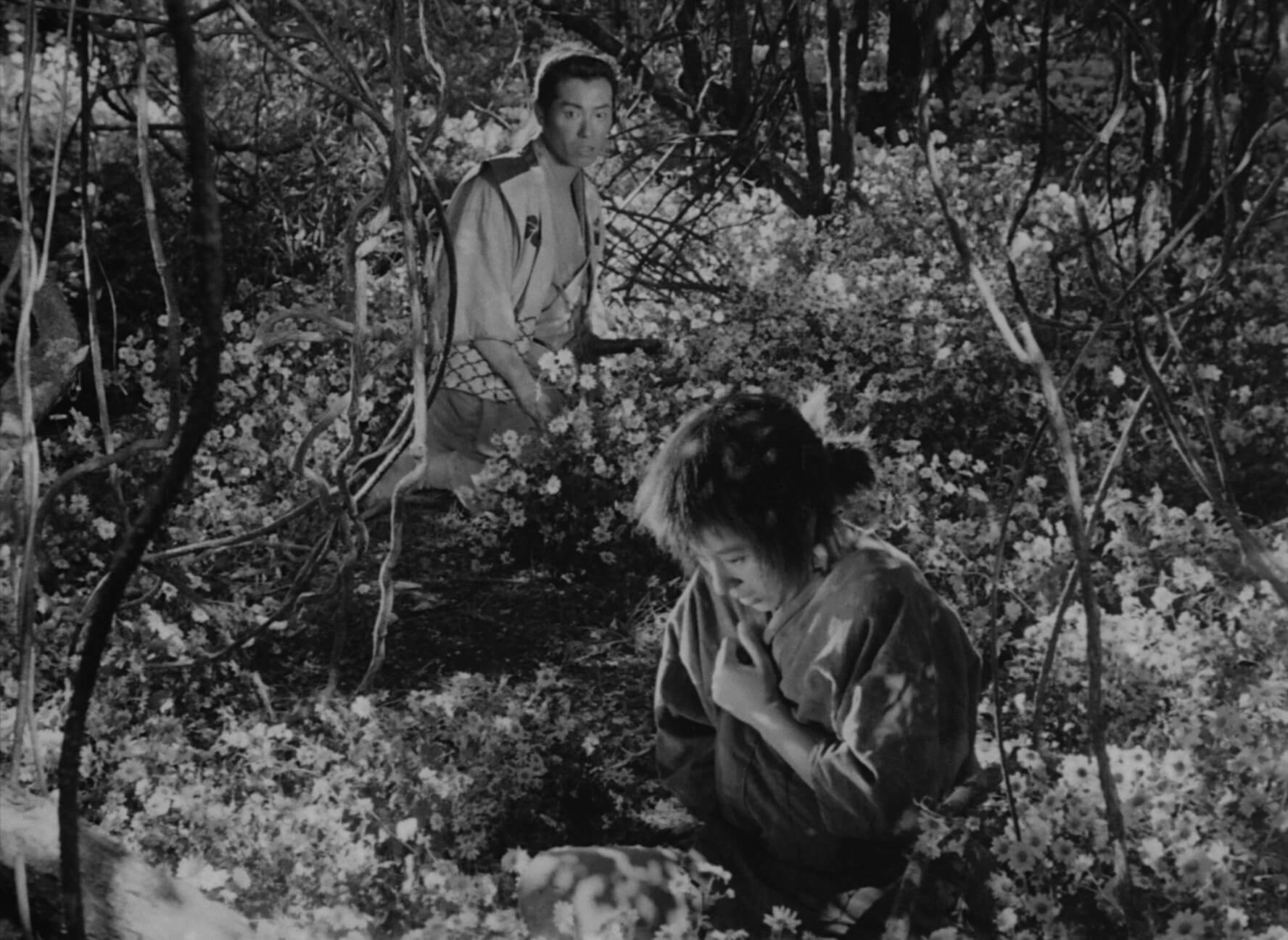
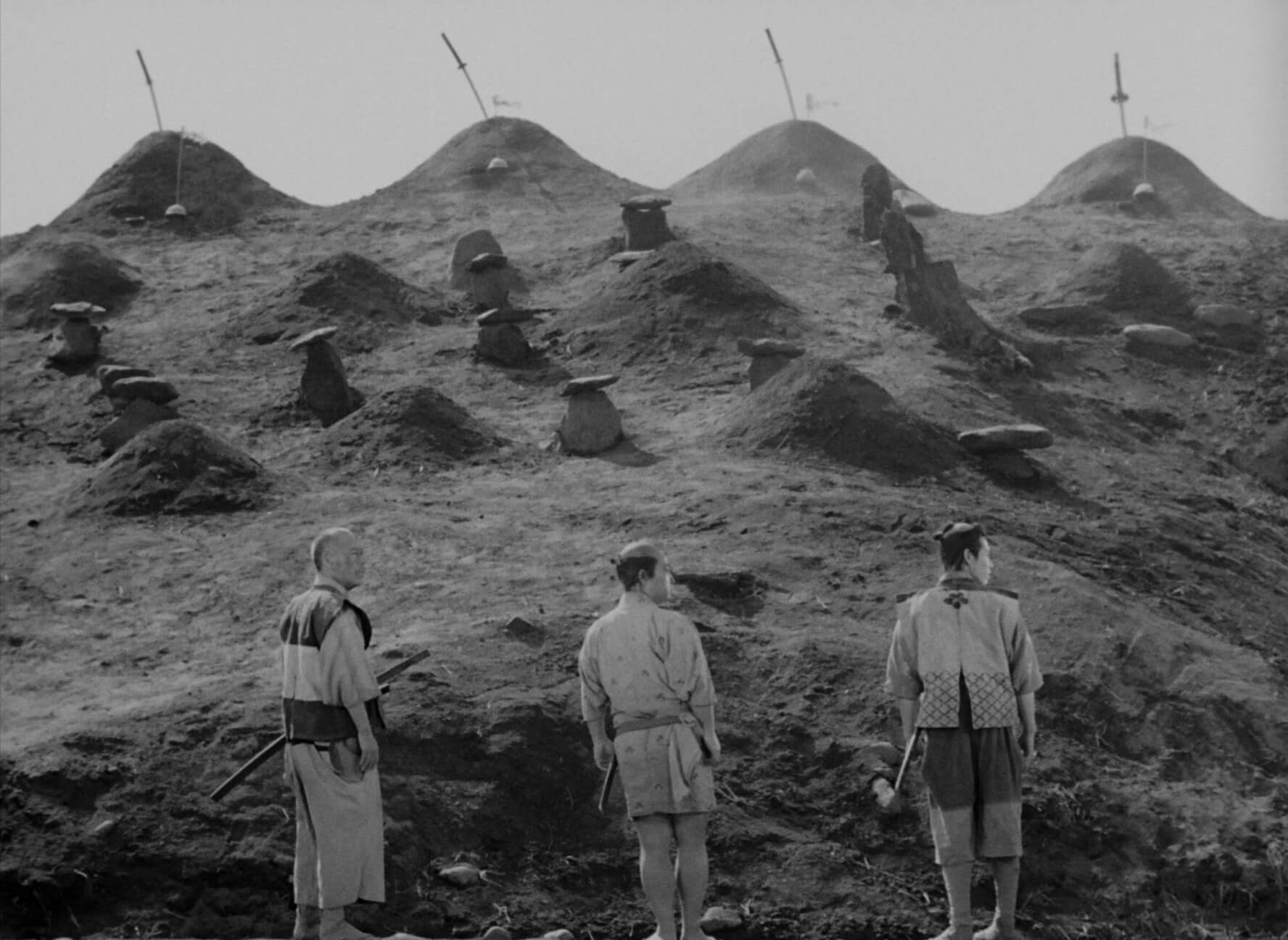
Projection Booth
- Gisakku
- Find hungry samurai. Even bears come down from the mountains when they are hungry.
- Kikuchiyo
- But then who made them such beasts? You did! You samurai did it!
- Kambei
- In the end, we've lost this battle too. I mean, the victory belongs to the peasants, not to us.
- Gisaku
- All farmers ever do is worry, whether the rain falls, the sun shines or the wind blows. In short, all they know is fear.
